Film and older bodies
Film Camera Repair in Los Angeles
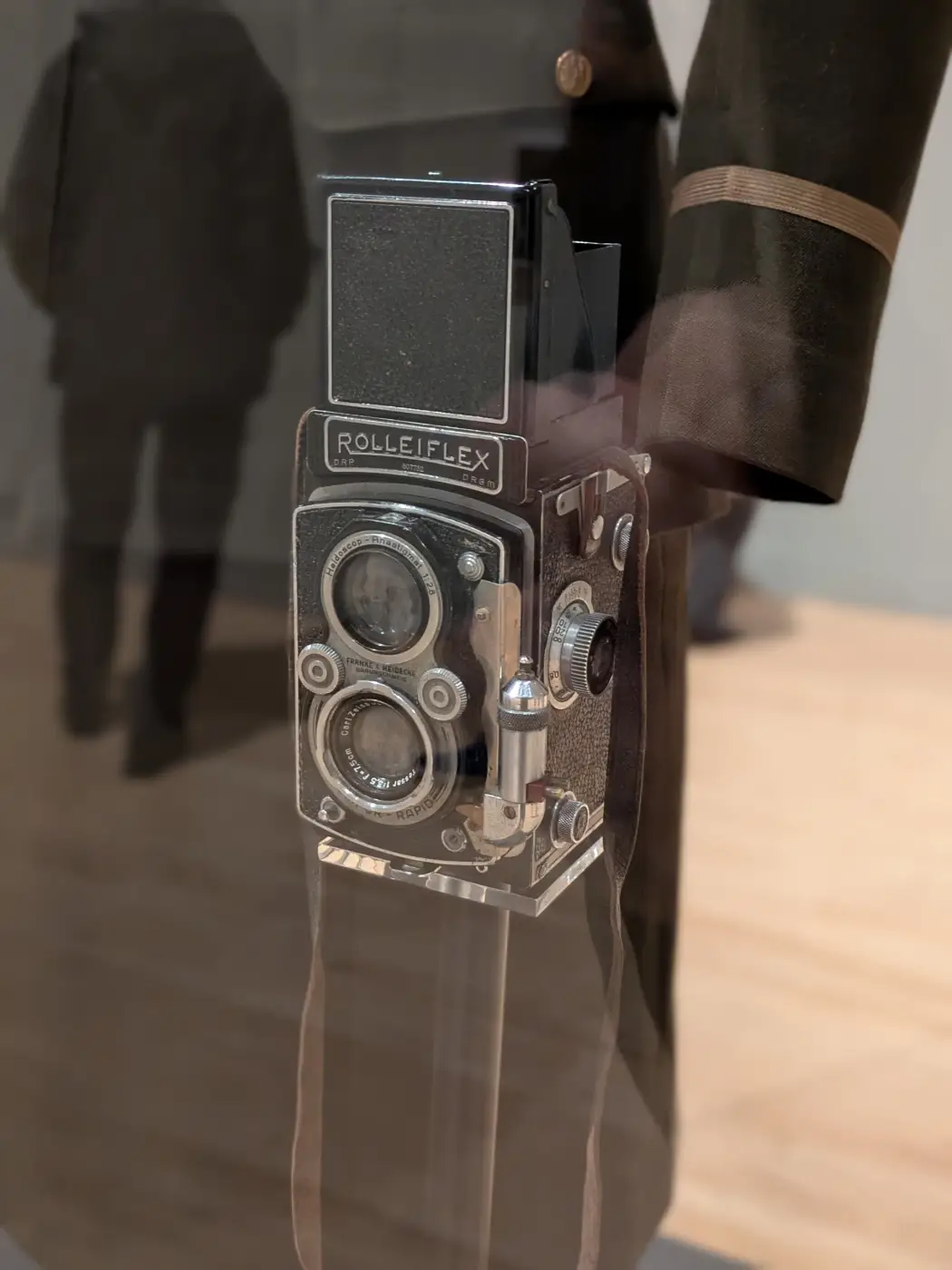
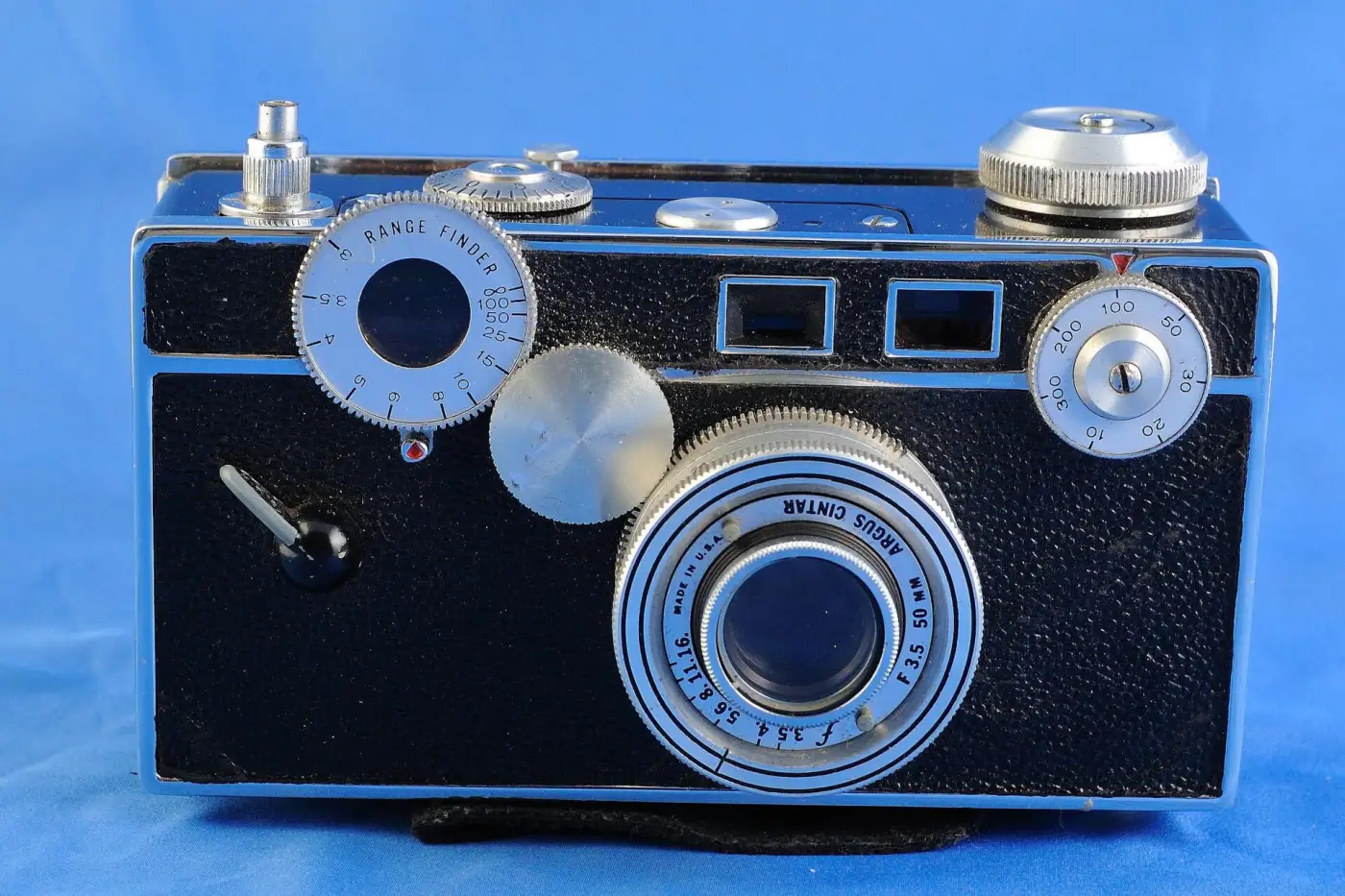
Film camera repair covers bodies that expose film: 35mm SLRs and rangefinders, twin-lens reflexes, medium-format bodies, and folding cameras. Vintage and antique cameras are the same appointment type. Age is not a specialty claim. It is a parts and materials problem, and many of those materials are no longer made.
A camera that has sat for years often needs more than a battery. Foam seals turn to tar, shutters slow down, and grease stiffens. None of that is assumed until the shutter and transport are watched.
Typical film camera faults
| Symptom | Possible cause | Recommended action |
|---|---|---|
| Shutter sticks or caps | Slow speeds, dried lubricant, or a curtain | Shutter timing check |
| Film will not advance | Transport, sprocket, or a torn film | Transport inspection |
| Light leaks | Door seals or a bellows pinhole | Seal and bellows check |
| Rangefinder does not agree | Cam or mirror alignment | Focusing check |
| Meter is dead | Cell, battery contact, or the meter itself | Meter check, if one is fitted |
Signs an inspection is useful
- Speeds sound uneven, especially the slow ones.
- Negatives show a band of light along the edge.
- The advance lever moves without moving the film.
- A folding camera has stiff or cracked bellows.
- The camera was stored in a damp place.
What the inspection checks
Shutter operation across the marked speeds, film advance and rewind, door seal condition, bellows if fitted, and focusing agreement on a rangefinder or TLR. A meter is checked only when the camera has one and you care about it. Exact lab timing equipment is not claimed on this page. What can be observed is stated as an observation.
Ways the problem may be addressed
Seals can often be replaced. A shutter may be cleaned or may need parts that do not exist. Bellows replacement depends on a suitable replacement, which is not assumed. A seized camera is not promised to run again. Medium format and 35mm are different mechanisms, and a folding camera is different again.
Sequence of the work
You describe the camera and whether you still shoot it. The inspection looks at the functions you need. An estimate follows only if there is a practical path. After approved work, the shutter is fired through its speeds and a dummy advance is checked. A test roll is your choice, not a step the shop performs unless that is agreed.
What to bring
- The body and the lens, if the lens comes off.
- Do not leave a partly shot roll in the camera if you want those frames. The workshop is not a lab.
- The maker, model, and format: 35mm, 120, or another size.
- Whether the fault is speeds, leaks, advance, or focus.
What changes the cost
A seal replacement is not a shutter overhaul, and a shutter overhaul is not a rangefinder adjustment. Scarcity of parts for older cameras changes whether a repair is offered at all. No film-camera price is published.
Checks after the work
The functions named in the estimate are exercised: speeds that were addressed, advance, and light-seal seating. A camera returned after seal work can still have a slow shutter if the shutter was not part of the approved job.
Questions about this service
Do you repair rangefinders, TLRs, and medium format?
They can be submitted for assessment. Repair options depend on the condition and availability of suitable parts.
What about antique or folding cameras?
Folding cameras and older bodies are assessed for shutter, bellows, and transport. Cracked bellows and missing parts are common reasons a repair stops at the findings.
Is a film SLR the same as a DSLR?
No. Digital SLRs are on the DSLR page. A film SLR has no sensor and no memory card.
Related services
Ask about a film camera
Name the camera, the format, and whether the problem is the shutter, the film transport, light leaks, or focus.