Sensor and body cleaning
Camera Sensor Cleaning in Los Angeles
Sensor cleaning removes dust and other loose contamination from the imaging sensor or its protective filter. The usual clue is a dark spot that stays in the same place in the frame when you change lenses, and that becomes sharper as you stop down.
A spot that moves when you change aperture, or that looks different with another lens, is more often in the lens. Cleaning the sensor will not fix that. This page also covers a general camera cleaning visit when the request is dirt on the body, the mount, or the exterior, which is a different task from opening the sensor chamber.
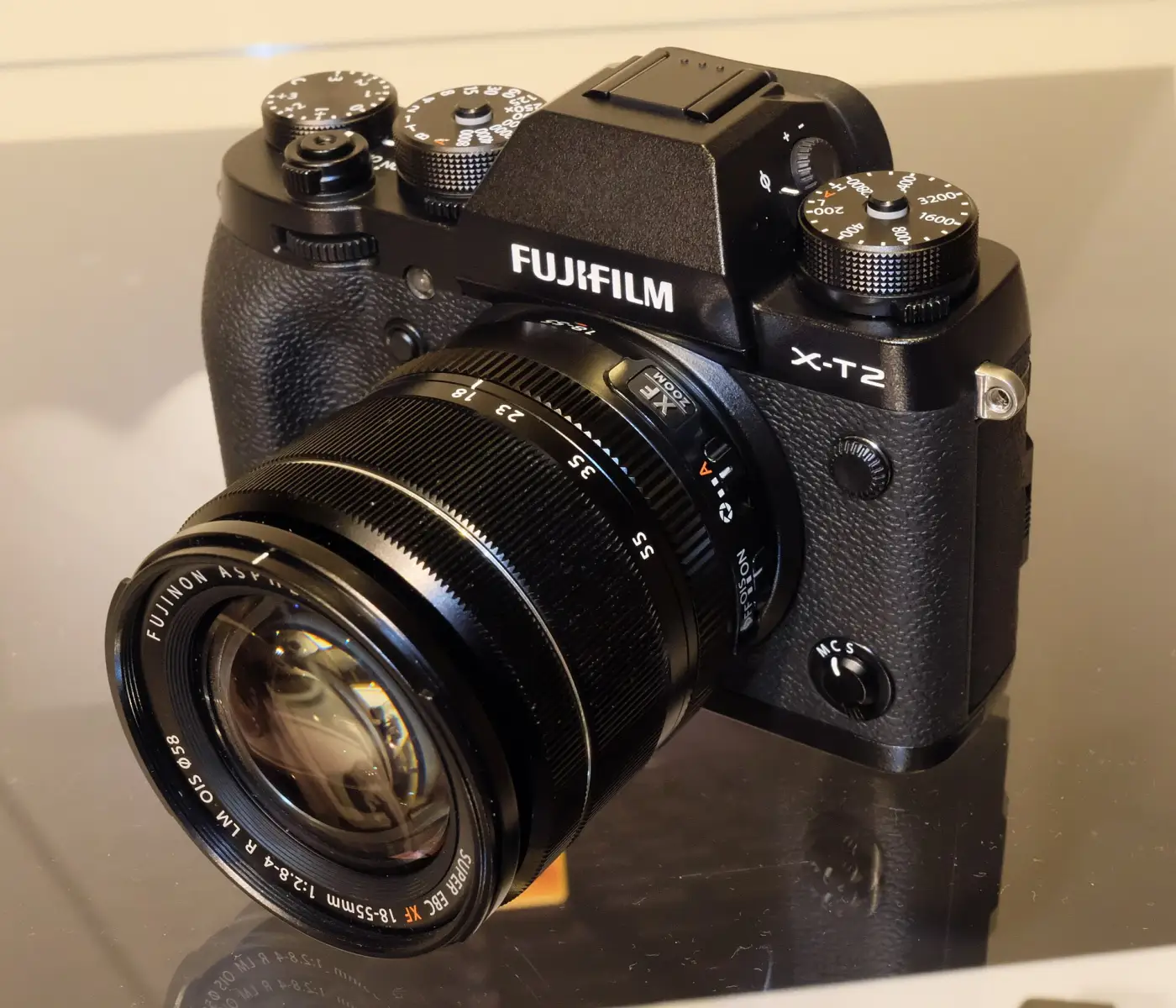
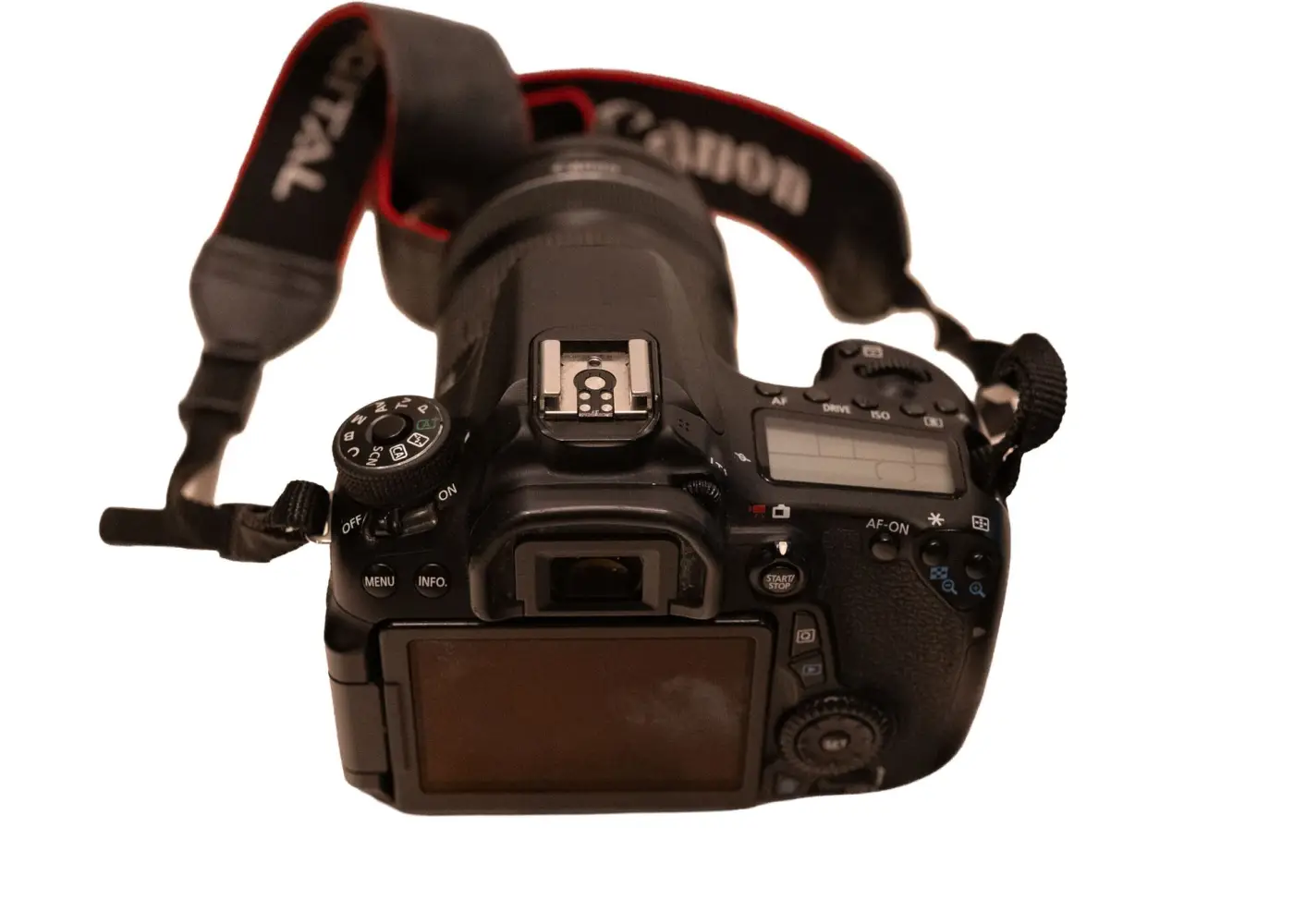
Typical reasons for a cleaning visit
| Symptom | Possible cause | Recommended action |
|---|---|---|
| Spots fixed in the frame | Dust on the sensor filter | Sensor inspection |
| Spots that change with the lens | Dust or a mark in that lens | Lens inspection instead |
| Oily smear | A wet cleaning may be required | Sensor inspection first |
| Grit around the mount | External dirt | Exterior and mount cleaning |
| Mold smell or haze in a lens | Not a sensor problem | Lens cleaning assessment |
Signs an inspection is useful
- Spots show at f/11 or smaller and barely show wide open.
- The camera’s own sensor-clean cycle did not remove them.
- A blower did not change the pattern.
- You see a smear rather than a round speck.
What the inspection checks
A frame is reviewed, or the sensor is inspected, to confirm the marks are on the sensor. The chamber is looked at for grit that should not be dragged across the filter. The workshop does not publish a do-it-yourself swab method. Swabbing a sensor with the wrong solvent can leave streaks or damage coatings.
Ways the problem may be addressed
Loose dust may lift with a proper blower and a controlled clean. Bonded or oily marks may need a wet clean. A scratch, a cracked filter, or corrosion is not cleaned away. Those are damage, and they are discussed as component damage, not as a successful cleaning.
Sequence of the work
You describe the spots and the lens you shoot stopped down. The sensor is inspected. If cleaning is appropriate, it is done and then checked. If the marks are in the lens, the visit stops at that finding or continues as a lens cleaning assessment.
What to bring
- The body and battery.
- A lens you can spare for a test frame, caps on.
- An example photo if you have one, on a card that is not your only copy.
What changes the cost
A dry dust removal is not the same job as a wet clean, and neither is a sensor replacement. Oil and heavy contamination take longer. No cleaning price is published until the sensor has been seen.
Checks after the work
A stopped-down frame or a direct inspection is used to look for remaining specks. A few faint marks can remain, and new dust can enter the next time a lens is changed. Cleaning is not a coating that keeps the sensor clean.
Questions about this service
Is camera cleaning the same as sensor cleaning?
No. Exterior, mount, and viewfinder dust can be cleaned without opening the sensor chamber. Sensor cleaning is the chamber and the filter. Ask for the one that matches the spots you see.
Will cleaning remove fungus?
Fungus inside a lens is lens cleaning. Fungus is not a sensor-dust symptom.
Do you clean DSLR and mirrorless sensors?
Both can be submitted. The chamber layout differs. The inspection confirms the camera can be opened for cleaning before any clean is started.
Related services
Ask about sensor spots
Say whether the spots stay put when you change lenses, and which camera body you have.