Optical contamination
Camera Lens Cleaning in Los Angeles
Lens cleaning removes contamination from glass: fingerprints on an outer element, haze between elements, and fungus. It is not a focus repair and it is not a promise that a cleaned lens will look new. A coating that fungus has etched can stay marked after the growth is gone.
Wiping the front element with a cloth is not this service. Internal haze requires opening the lens. Opening the lens can disturb centering, so cleaning and optical adjustment are discussed as separate possibilities, and adjustment is not available for every design.
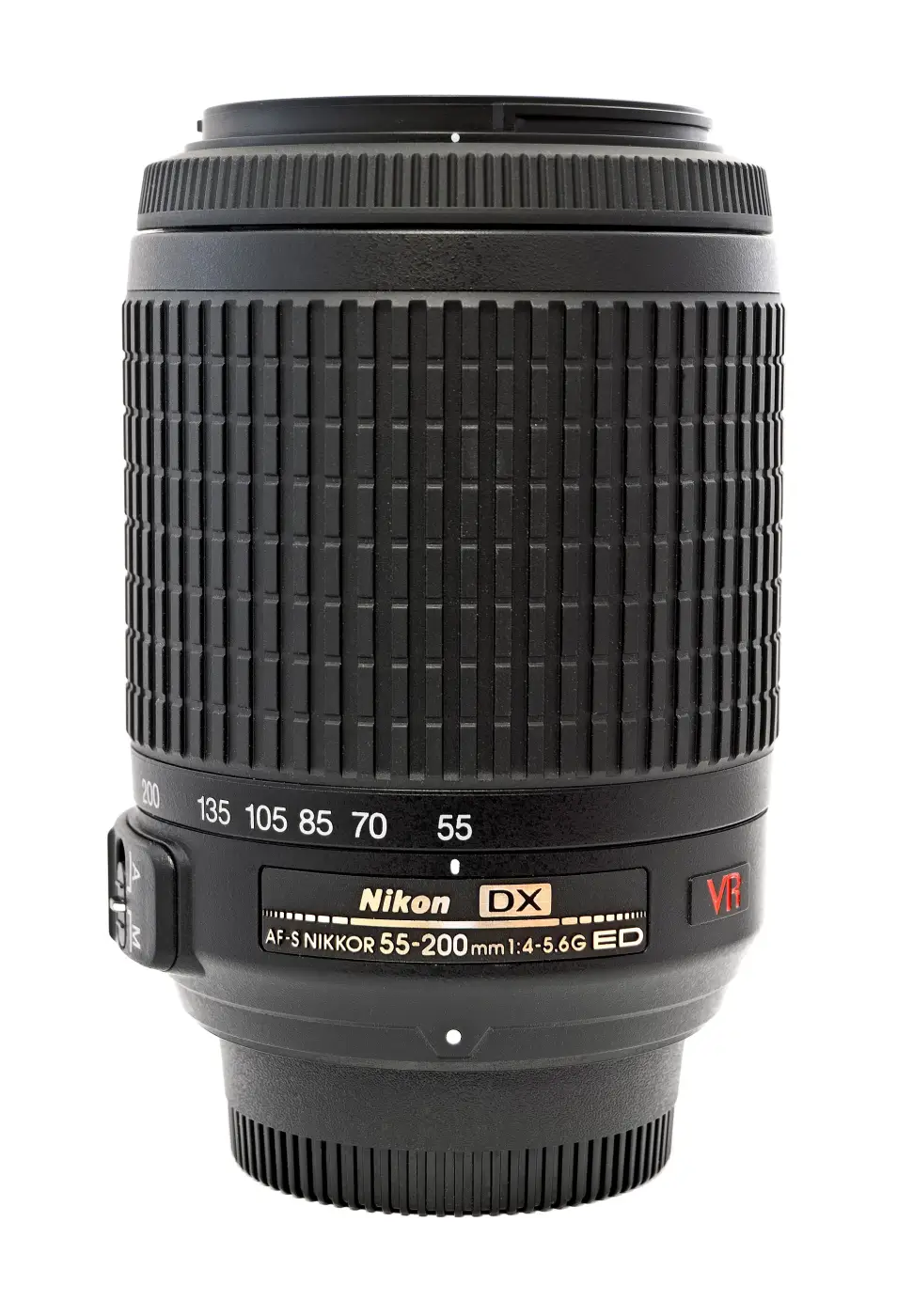
Typical contamination
| Symptom | Possible cause | Recommended action |
|---|---|---|
| Fingerprints on the front | Skin oil on an outer surface | External clean |
| Even fog inside | Haze or separation | Internal inspection |
| Threads or spots inside | Fungus | Internal inspection before any clean |
| Rainbow patch | Coating damage | May not be removable |
| Soft corners after a knock | Decentering, not dirt | Lens repair assessment |
Signs an inspection is useful
- You can see a film or spots when you look through the lens at a lamp.
- Contrast is low and cleaning the outside did nothing.
- The lens was stored in a closed case in a humid room.
- A scratch is on the front and you want to know if it records.
What the inspection checks
Each visible surface, whether the mark is fungus, haze, separation, or a coating flaw, and whether the aperture blades are oily. Oily blades are a mechanical fault that often travels with fungus lenses. They are noted even when the request was only “cleaning.”
Ways the problem may be addressed
An external clean does not open the lens. An internal clean removes accessible contamination and then the lens is reassembled. Separation of cemented elements is not reversed by cleaning. Etching remains. If the glass has to come apart and the design does not allow a reliable reassembly, the recommendation may be to stop.
Sequence of the work
The lens is examined before it is opened. You are told whether the work is external, internal, or not useful. Approved cleaning is followed by a look through the optics and an aperture check. Focus is checked for rough travel because opening a lens can reveal a dry helicoid.
What to bring
- The lens and both caps. Leave filters off so the front element can be seen.
- The model, including mount.
- How it was stored, if you know it sat damp.
What changes the cost
A front-element wipe is not an internal disassembly. A zoom with many groups takes longer than a simple prime. Fungus that has reached several surfaces takes longer than a single haze film. No cleaning menu with prices is published.
Checks after the work
The glass is inspected for remaining haze and for streaks from the clean. Aperture blades are moved. The lens is mounted if a body is present. Cosmetic marks that were disclosed as etching are not expected to vanish.
Questions about this service
Will cleaning remove fungus completely?
The growth can often be cleaned. The stain it left in a coating often cannot. The inspection says which you are looking at before the lens is opened.
Is this the same as lens repair?
Lens repair covers motors, helicoids, and mounts. Cleaning is contamination. A lens can need both, and the estimate will split them.
Can I use a home kit instead?
This page does not give a swab or solvent procedure. Household glass cleaner and shirt fabric scratch coatings. If the mark is inside the lens, a cloth on the front will not reach it.
Related services
Ask about lens haze or fungus
Name the lens and whether the marks are on the front glass or visible inside when you look through it.